Class actions
 Global search
Australia has banned engineered stone to address the devastating impact of silica exposure, but emerging research shows that respiratory risks, including occupational asthma, remain for many workers.
The ban on engineered stone is a major public health milestone. However, workers who have already been exposed, and those working with alternative benchtop products, may still face serious health risks.
Engineered stone is now banned across Australia, meaning its manufacture, supply, and use of this substance are prohibited.
The ban came into effect on 1 July 2024 as a direct response to the growing number of workers diagnosed with silicosis and other silica-related diseases, many at a young age.
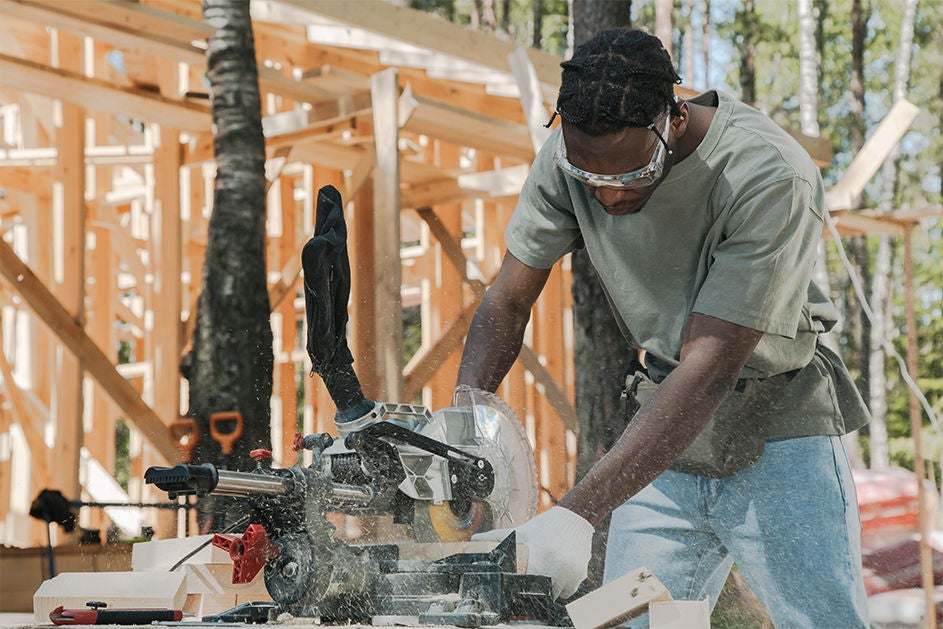
The ban does not apply to:
Minor repairs to, or removal of, previously installed engineered stone is not subject to the ban, but there are rules governing the removal or disturbance of existing engineered stone products.
Engineered stone is most used in kitchen and bathroom benchtops. It’s a manufactured product made by bonding crushed stone with resin.
While popular because it’s affordable, durable, and stain resistant, it was found to pose exceptional health risks to workers because of its very high silica content, often over 90%, far higher than most natural stone.
The ban aims to reduce the prevalence of deadly silica-related diseases going forward, but it will not completely eradicate silicosis. Silica dust exposure can occur across a range of industries, including quarrying, tunnelling, concreting, and construction.
Proper workplace safety procedures are therefore needed in all workplaces to prevent future disease development.
When engineered stone is cut, ground, or polished, it releases respirable crystalline silica into the air, tiny airborne particles that lodge deep in the lungs when inhaled.
Over time, this can cause:
The higher silica content of engineered stone, along with high consumer demand, has led to an alarming rate of diagnoses of silica-related diseases among workers in the industry. In some Australian states, it was estimated that up to one in four stonemasons developed silicosis, leading to an urgent national response.
Although some stone companies tried to market forms of stone described as “lower silica alternatives”, their silica content is still high, and these products are very dangerous for those working with them, fabricating them and installing them. The ban helps avoid confusing marketing terms.
While the ban is expected to significantly reduce future cases of silicosis, it does not remove all respiratory risks.
A 2025 study by Monash University, using data from a Victorian WorkSafe screening program, found that:
Researchers also highlighted that engineered stone contains more than just silica.
Yes. In addition to silica, artificial stone products often contain:
These substances are well‑known causes of occupational asthma in other industries and may still be present in new “alternative” benchtop products entering the market.
Experts have emphasised the need for:
Breathing in silica dust particles can cause many serious illnesses, the most highly publicised being silicosis. This is an incurable lung disease that causes scarring in the lungs. Silicosis causes increasing breathlessness, which is debilitating and can shorten the sufferer’s life.
There are other lung diseases caused by silica exposure, such as lung cancer, chronic emphysema and bronchitis, and progressive breathing impairment. Exposure can also cause autoimmune diseases like rheumatoid arthritis, scleroderma and sarcoidosis.
Silicosis can develop within as little as one year, but often appears 10 or more years after exposure. There is no safe level of silica dust.
Not everyone who is exposed will develop disease, but early action is critical. You should:
Maurice Blackburn operates a free National Dust Register where you can formally record your exposure.
If you are diagnosed with silicosis or a silica-related disease, it is important to seek legal advice as soon as possible.
This is a complex area of law with strict time limits that vary from state to state. Early legal advice can help you protect your rights and determine whether you may be entitled to compensation.
Maurice Blackburn’s expert silica disease lawyers can assist.
Yes, research shows workers can develop occupational asthma even without silicosis, particularly after high dust exposure.
Not necessarily. Some alternative products may still contain resins and chemicals known to cause occupational asthma.
Yes, if exposure continues and asthma is not diagnosed early, it can become chronic or irreversible.
Yes, occupational exposure is a key risk factor but is often overlooked, delaying diagnosis and treatment.

Document exposure now in case you develop an asbestos, silica or other dust related disease later. This can help you with a future claim.

Contact us today
Our dedicated workplace disease lawyers have significant experience in helping clients get compensation for occupational diseases caused by asbestos, silica, dust exposure and more. Contact us today and find out how we can help you.
Thanks very much for your message.
Our team has received your enquiry and will get back to you as soon as we can.
Need to speak with us sooner? Please call us on 1800 111 222. We take calls from 8:30am - 7:00pm Monday to Friday.

Read more about diseases caused or made worse by workplace exposure.
/clay-dust-health-risks-ceramics-teachers-thumbnail.jpg) Workplace disease exposure
Workplace disease exposure
/gardeners-thumb.png) Workplace disease exposure
Workplace disease exposure
/prostate-cancer-awareness-month-thumbnail.jpg) Workplace disease exposure
Workplace disease exposure
/occ-lung-cancer.jpg) Workplace disease exposure
Workplace disease exposure
We are here to help. Give us a call, request a call back or use our free claim check tool to get in touch with our friendly legal team. With local knowledge and a national network of experts, we have the experience you can count on.
We have lawyers who specialise in a range of legal claims who travel to Australian Capital Territory. If you need a lawyer in Canberra or elsewhere in Australian Capital Territory, please call us on 1800 675 346.
We have lawyers who specialise in a range of legal claims who travel to Tasmania. If you need a lawyer in Hobart, Launceston or elsewhere in Tasmania, please call us on 1800 675 346.