/2022%20Ross%20Sottile%20(2)%20300x300px.jpg)
Class actions

Global search
After World War II, Victoria invested heavily in developing and expanding its gas production, led by the Gas and Fuel Corporation of Victoria. New pipelines, depots and valve stations were built across the state at a time when heat-resistant asbestos insulation was commonly used.
This article shares the history of the Gas and Fuel Corporation of Victoria, outlining key sites, developments and jobs where workers might have been exposed to harmful asbestos dust and fibres.
Unlike New South Wales, Victoria does not have its own black coal resources to produce gas, which made it reliant on importing resources from its neighbour. In the aftermath of World War II, as Victoria’s energy needs grew, the state established the Gas and Fuel Corporation of Victoria to oversee new forms of gas production.
The Gas and Fuel Corporation of Victoria, which employed thousands of workers across the state, helped power homes, businesses and entire communities in the post-war era, but it also exposed many workers to deadly asbestos, which was used to insulate gas pipelines, boilers, generators and more.
At Maurice Blackburn, we’ve supported countless people whose lives have been changed by diseases caused by asbestos exposure. Through our dedicated asbestos and dust disease specialist teams, we help workers and families understand their rights and access the support they deserve.
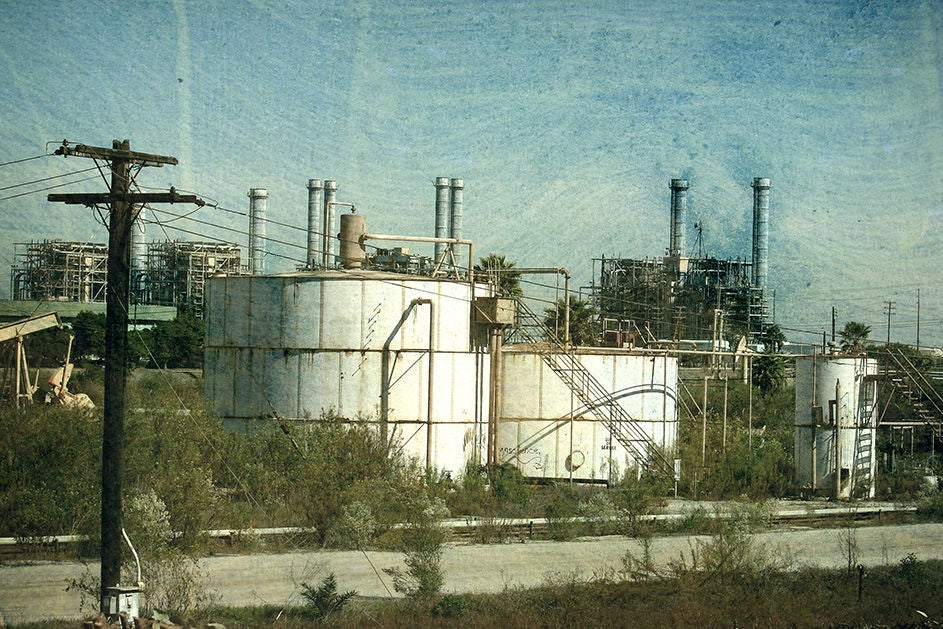
The Gas and Fuel Corporation of Victoria was created under the Gas and Fuel Act 1950, but formally began operations in 1951, quickly becoming one of Victoria’s most important public utilities. Its early decades were defined by major infrastructure projects built when asbestos use in Australia was at its peak.
Two of its main developments included:
Commissioned in 1956, the Lurgi Gas Plant occupied 400 acres of land in Morwell and played a significant role in Victoria’s gas industry. The plant used briquettes made from dried, compressed brown coal to produce gas, which was then piped to Dandenong. It had six generators and a boiler house containing six boilers fired with raw brown coal. The pipeline to Dandenong was made of enamel, fibreglass and a tar-strengthened form of asbestos wrap.
Because of its heat-resistant properties, asbestos was commonly used to insulate machinery. Workers were likely exposed to asbestos while working across the plant’s generators, boilers or pipeline.
While the Lurgi Gas Plant closed in 1969, workers who spent years there may still be at risk of developing an asbestos-related disease today.
New pipelines connecting Altona, West Melbourne and Highett were built in 1955 and 1956. The Gas & Fuel Corporation of Victoria launched an LPG product in 1957, and by the 1960s was supplying TLPG to country towns. This period demanded rapid growth in pipelines, depots and valve stations, all built at a time when asbestos insulation was routine.
If you want to understand how widespread asbestos was in Victoria during this time, you can read our article ‘How asbestos ravaged the Latrobe Valley’.
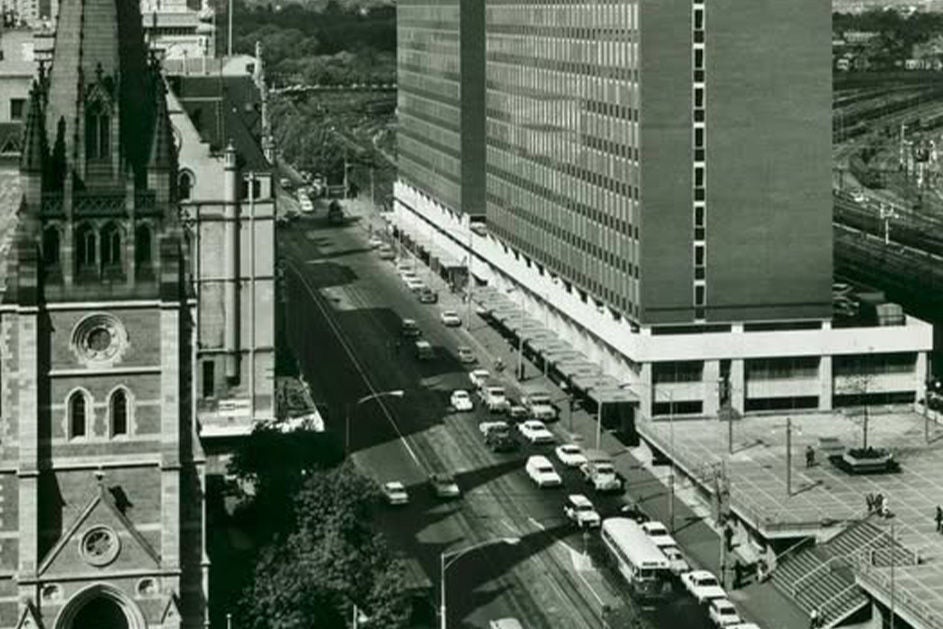
Photo: Museums Victoria/E-Melbourne
In 1991, the Government restructured the Gas and Fuel Corporation into smaller business units, including corporate, transmission, distribution, retail, and Heatane Gas.
Its rights and liabilities were distributed among three divisions:
Asbestos was widely used for insulation and fireproofing, including routine tasks such as:
The types of workers who might have been exposed include:
This is not an exhaustive list, and non-workers, such as family members, could also have been exposed to asbestos fibres on work clothes brought home. We’ve successfully represented wives who contracted mesothelioma after being exposed to asbestos dust while doing the laundry.
Exposure to airborne asbestos has been linked to a long list of dust-related diseases and cancers, including:
Most people are diagnosed in their late 70s. If you think you’ve been exposed to asbestos, you should monitor the following symptoms:
We recently represented a client who developed asbestosis decades after unknowingly being exposed to asbestos while working for the Gas & Fuel Corporation of Victoria. In the late 1970s, he worked in leakage surveys, climbing into underground gas and telecom pits that were heavily lagged with asbestos.
At the time, he was not warned of the risks or provided protective equipment. Although early signs appeared in the 2000s, his condition worsened in 2022, leading to diagnosis. With specialist legal support, his claim was fast-tracked and successfully resolved, helping secure compensation for his future medical needs. Read Noel’s full story here.
If you’ve been diagnosed with an asbestos-related condition, it’s important to speak to a specialist lawyer as soon as you can. A claim started when a person is alive can be settled even after they have died, but a new claim cannot be lodged after the person has already died.
“Older clients and clients struggling with comorbidities might assume they’re not entitled to anything, or that it might be too hard, but Mick’s story shows how important it is to investigate your legal entitlements,” says Ross Sottile, a dust diseases lawyer at Maurice Blackburn Lawyers.
“Asbestos-related diseases bring a lot of uncertainty, but having compensation will be important when it comes to helping Mick access care in the future. If there’s a new groundbreaking treatment, Mick will have money to pay for it.”
If you’ve been exposed to asbestos and diagnosed with an asbestos-related disease, you may be able to make a claim for compensation. Our team of expert asbestos lawyers is here to guide you through the process, explain your legal options and make it as easy as possible so you can focus on your recovery.
We are Australia’s largest practising asbestos, silica and occupational exposures legal team, with more than 150 years of combined experience. Our multidisciplinary team includes specialist lawyers, dedicated support staff and a highly experienced Lung Clinical Nurse Consultant, providing compassionate, personalised support at every stage of your claim.
We offer confidential, obligation-free initial consultations, and if you decide you want to pursue a claim, then we’ll represent you on a No Win, No Fee basis.
We also understand that many of our clients may be unwell, and we can arrange home consultations in these circumstances.
Compensation for asbestos-related diseases can be significant, so it’s crucial to seek advice as soon as possible due to legislative limitations. Acting early can help protect your rights and ensure you receive the support you’re entitled to.
If you have not been diagnosed with an asbestos-related condition but have been exposed to asbestos in any occupational or domestic setting, you can register your exposure with the National Dust Register.
If you live in the Latrobe Valley, you can contact our local Maurice Blackburn Traralgon office.

Our team of experienced dust disease lawyers are here to help you understand your legal options and to ensure you get the compensation you're entitled to.

Document exposure now in case you develop an asbestos related disease later. This can help you with a future compensation claim.
Our experienced lawyers have a long history of fighting for the rights of people suffering from asbestos, silica and other dust related illnesses. If you've been diagnosed with a dust disease, you may have a claim for compensation.
Thanks very much for your message.
Our team has received your enquiry and will get back to you as soon as we can.
Need to speak with us sooner? Please call us on 1800 111 222. We take calls from 8:30am - 7:00pm Monday to Friday.

We are here to help. Give us a call, request a call back or use our free claim check tool to get in touch with our friendly legal team. With local knowledge and a national network of experts, we have the experience you can count on.
We have lawyers who specialise in a range of legal claims who travel to Australian Capital Territory. If you need a lawyer in Canberra or elsewhere in Australian Capital Territory, please call us on 1800 675 346.
We have lawyers who specialise in a range of legal claims who travel to Tasmania. If you need a lawyer in Hobart, Launceston or elsewhere in Tasmania, please call us on 1800 675 346.