
 Global search
In 1970, 3,798 people lost their lives on Australian roads. This was the highest road toll ever recorded in Australia and a moment that prompted major national road safety reforms.
Over the decades that followed, sweeping safety reforms helped cut the toll dramatically.
Victoria became the first jurisdiction in the world to introduce mandatory seatbelt laws and random breath testing, and speed cameras became common fixtures on major highways. These measures made Australian roads safer and saved countless lives.
By 2019, the annual death toll had fallen by almost 70% compared with the peak recorded in 1970.
However, recent statistics show the long-term decline has stalled. In 2025, 1,314 people were killed on Australian roads, a 1.7% increase from the previous year, with factors such as speeding, distraction, impairment, fatigue, and increased traffic identified as key contributors. This concerning trend highlights the need for renewed focus on road safety across all levels of government and the community.
So, what can we do to save lives on our roads?
Recent figures from across the states and territories show fatalities remain unacceptably high:

According to Organisation for Economic Co-operation and Development (OECD), Australia recorded 4.7 deaths per 100,000 people, ranking 20th out of the 34 countries. This places Australia roughly in the middle of comparable nations. Countries such as Norway, Sweden and Iceland report significantly lower fatality rates, largely due to sustained investments in road safety, infrastructure and vehicle standards.
Tragically, road accidents remain one of the leading causes of death for Australians aged 15–24, accounting for roughly one in four deaths in this age group.
Several factors are contributing to the current trend:
Studies also show that pedestrian fatalities have risen sharply in recent years, highlighting the risk faced by vulnerable road users. In 2025, pedestrian deaths reached an 18 year high of 197, with cyclist death also jumping 32% to reach a 12 year high of 49.
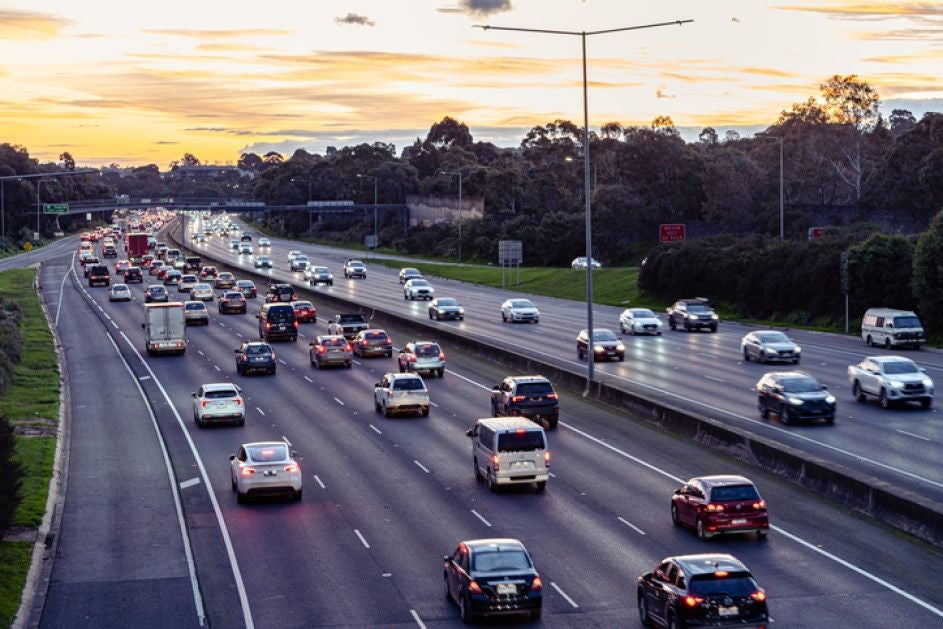
The National Road Safety Strategy 2021-30 aims to halve deaths by 2030. However, current data shows fatalities have increased by around 22% since the strategy began. There are a few simple ways drivers can protect themselves, their families and all road users.
However, there are a few simple steps drivers can take to protect themselves, their families and other road users:
Driving even slightly over the speed limit puts you and others at risk. Reducing your speed by just 5km/h can significantly lower the risk of death or serious injury in a crash.
Do not use your phone while driving. Use hands-free technology (if necessary), enable "do not disturb while driving", and enter navigation details before starting your journey.
Driving after 17 hours without sleep can impair you to a similar level as a blood alcohol concentration of 0.05. Make sure you are well rested before driving and take regular breaks on a long trip, at least 15 minutes every two hours.
If you plan to drink, organise a designated driver, take a taxi or rideshare, or use public transport.
Wearing a seat belt significantly reduces the risk of fatal injury in a crash. Always buckle up before driving and ensure all passengers do the same.
If you or a loved one has been injured on the road, our team is here to help you understand your rights and the support available.
Use our free claim check tool to find out if you have a claim, or contact us today to speak with one of our expert road accident lawyers.

Start your free claim check now
Our specialist road injury lawyers are experienced in a range of claims related to road accident injuries. If you've been hurt on the road, we can help you understand your options.
Thanks very much for your message.
Our team has received your enquiry and will get back to you as soon as we can.
Need to speak with us sooner? Please call us on 1800 111 222. We take calls from 8:30am - 7:00pm Monday to Friday.

We are here to help. Give us a call, request a call back or use our free claim check tool to get in touch with our friendly legal team. With local knowledge and a national network of experts, we have the experience you can count on.
We have lawyers who specialise in a range of legal claims who travel to Australian Capital Territory. If you need a lawyer in Canberra or elsewhere in Australian Capital Territory, please call us on 1800 675 346.
We have lawyers who specialise in a range of legal claims who travel to Tasmania. If you need a lawyer in Hobart, Launceston or elsewhere in Tasmania, please call us on 1800 675 346.
/MB_Melbourne_Deniz-Mirik_300x300px_WEB.jpg)



/road-accident-on-the-way-to-work-two-claims-web.jpg)
/six-simple-steps-to-make-roads-Safer-for-motorcyclists.thumb.319.319.png)
/cyclists-and-cars.jpg)
/car-accident-claim-guide-thumbnail.jpg)