
/MB_Anna-Sullivan_300x300px_WEB.jpg)
Class actions

Global search
Anna Sullivan, a lawyer in our medical negligence team, shares her journey with epilepsy and how it empowered her to step into her new role on the Epilepsy Queensland Board.
Drawing on her lived experience and passion, Anna continues to champion awareness and strengthen support for Make March Purple during Epilepsy Month.
Every 33 minutes, a life is turned upside down by a diagnosis of epilepsy. This is a strong reminder of just how many lives this condition affects. Make March Purple returns again in 2026, as an annual initiative to raise awareness and funds for the 270,000 people living with epilepsy in Australia. This year’s theme, ‘Muck Up for Epilepsy’, brings a new spark to the movement by challenging participants to step outside their comfort zone, get a little messy and stand in solidarity with those whose lives are ‘mucked up’ by epilepsy.
This year, Epilepsy Queensland kicked things off with a Major Muck Up event broadcast live across the country on the Today Show, where celebrities, including Patron Wally Lewis, who has openly shared his epilepsy diagnosis, happily got “mucked” to help shine a national spotlight on epilepsy.
Epilepsy is a brain disorder characterised by recurrent seizures. These seizures can be brief episodes of involuntary movement that may involve a part or the entire body.
All seizures are caused by abnormal electrical activity somewhere in the brain. However, there are many different seizure types and syndromes. Seizures can vary from brief lapses of attention to jerking movements to severe and prolonged convulsions. Some people may remain alert during a seizure and remember what happened afterwards, while others may become unaware and unable to respond to those around them. As a result, seizures can look very different for each person living with epilepsy.
I was in high school at a touch football carnival when I had my first seizure. My tonic-clonic seizures involved falling to the ground, my body stiffening and limbs jerking, loud groaning, and a loss of consciousness. Neither my family nor I had ever even seen someone have a seizure before, which made the experience all the more terrifying.
From then on, my seizures became more frequent, occurring almost daily. After six months of doctor's appointments, missing school and trips to the hospital, I was eventually diagnosed with epilepsy.
Going through high school and having frequent seizures certainly had its challenges! Some days were tough, but I was lucky to have been surrounded by an incredibly supportive family, school and community.
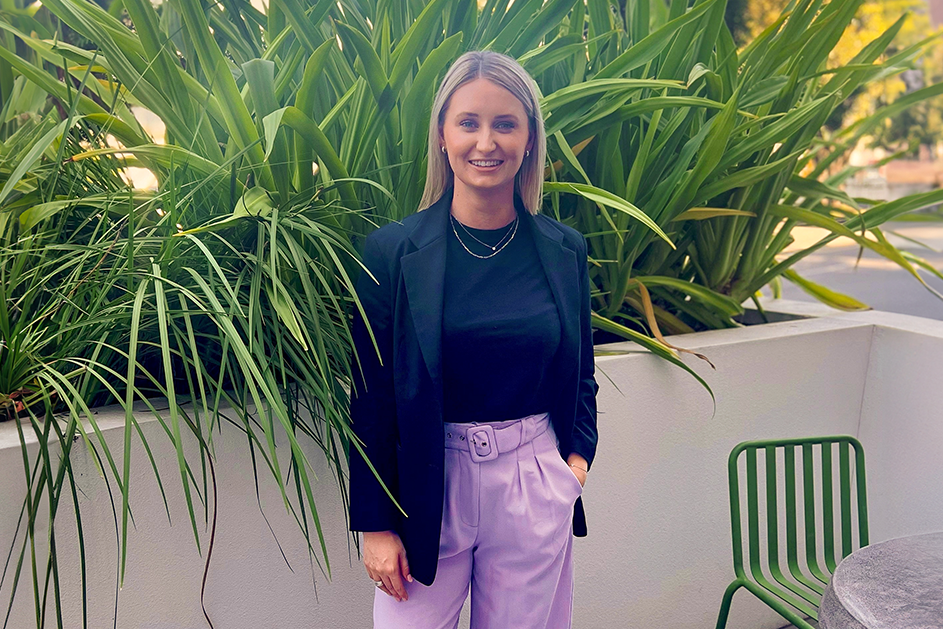
I was also fortunate to have been directed to Epilepsy Queensland. Being able to connect with people who were experiencing the same things as me and knowing I wasn’t alone provided some comfort. The online resources and tools also provided me with valuable education about my condition.
With the assistance of successful medical treatment, I am grateful to have been seizure-free for more than a decade.
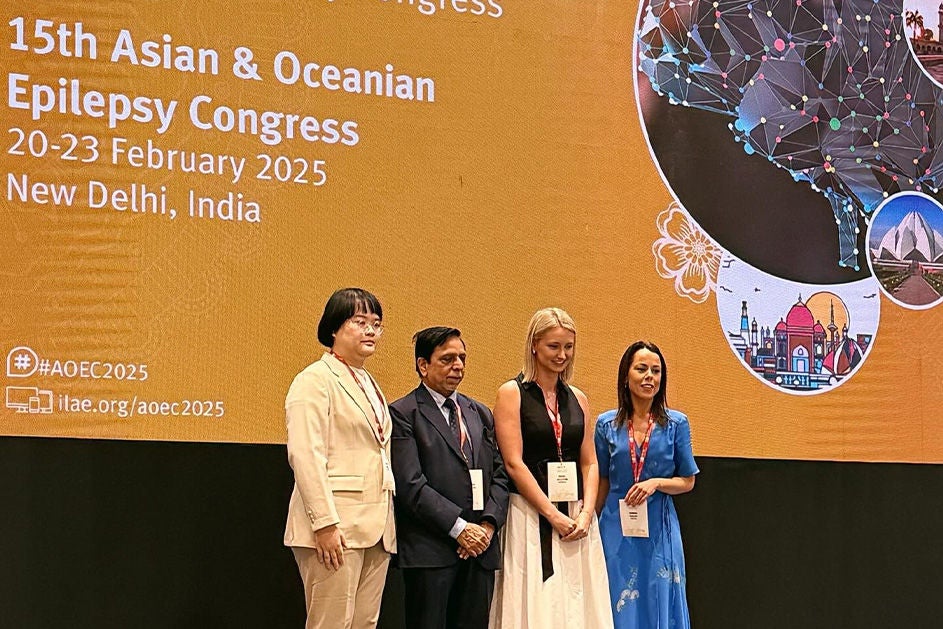
In late 2024, Epilepsy Queensland recognised my continued advocacy work and nominated me for the Asian and Oceanian Regional Golden Light Awards.
The International Bureau of Epilepsy presented the awards at the Asian Oceanic Epilepsy Congress held in Delhi, India, in February 2025.
I’m incredibly grateful to be one of the four winners for the year and honoured to bring awareness to this important cause on a global stage.
Winners had the opportunity to participate in various conference and workshop sessions to share experiences and meet advocates, doctors, people impacted by epilepsy, and their carers from the Asia-Oceanic region and the UK.
From the moment I was first diagnosed, Epilepsy Queensland played an important role in guiding and supporting me. That support has stayed with me, and it drives my commitment to give back to the organisation that made such a difference in my early journey.
Being elected to the Epilepsy Queensland Board has been a profoundly empowering moment in my life. This appointment has given me the opportunity to transform my lived experience into stronger advocacy and actively support a community that is so personal to me.
The Board is made up of many incredible individuals who all share a common thread - the lived or living experience of having epilepsy or caring for someone with the condition. This collective insight brings a deep understanding of epilepsy and allows the Board to share perspectives that shape innovative and effective solutions for people in the community.
With this blend of skills, knowledge and background, I am excited to contribute my experience and passion for advocating for individuals with epilepsy by sharing my own story, to assist and support Epilepsy Queensland in the future.
Epilepsy is estimated to impact around 65 million people worldwide at any given time. However, the exact cause of epilepsy is unknown in approximately 60% of people living with epilepsy.
Known causes of epilepsy, such as pre-natal birth traumas, brain and spinal cord infections, traumatic brain injuries, and strokes, contribute to the development of almost 25% of all epilepsies. All of these conditions are largely preventable, and prevention treatments and early therapies play a key role in reducing the rate and impact of epilepsy.
Our specialist medical negligence lawyers work alongside many clients who suffer from catastrophic and traumatic injuries, such as birth traumas, brain injuries, infections and strokes, which can later cause epilepsy and seizures. We understand all too well how debilitating, exhausting and scary epilepsy can be for our clients and their families.
If you are living with epilepsy or supporting someone living with epilepsy, you can find more information and support from the following organisations:
Treating practitioners and neurologists will manage medical care and provide advice about medication or other treatments
We must continue to raise awareness so that hundreds of thousands of Australians living with epilepsy, like our client Amelia, can continue to get support and improved treatment.
Find out how you can Make March Purple this month to help empower and support Australians living with epilepsy.
Anna Sullivan appeared on the Morning Show to talk about the #MakeMarchPurple for epilepsy awareness month, sharing her own experiences and how it helps in her work with clients navigating difficult diagnoses.
Video courtesy of Channel 7's The Morning Show.

We've successfully represented hundreds of patients and their families in complex and sensitive cases.
Our team of expert medical negligence lawyers are here to help you understand your legal options and to achieve the best possible outcome for you. Our No Win, No Fee policy means that if we don't win, you don't have to pay our legal fees.
Thanks very much for your message.
Our team has received your enquiry and will get back to you as soon as we can.
Need to speak with us sooner? Please call us on 1800 111 222. We take calls from 8:30am - 7:00pm Monday to Friday.

Read more about medical negligence
We are here to help. Give us a call, request a call back or use our free claim check tool to get in touch with our friendly legal team. With local knowledge and a national network of experts, we have the experience you can count on.
We have lawyers who specialise in a range of legal claims who travel to Australian Capital Territory. If you need a lawyer in Canberra or elsewhere in Australian Capital Territory, please call us on 1800 675 346.
We have lawyers who specialise in a range of legal claims who travel to Tasmania. If you need a lawyer in Hobart, Launceston or elsewhere in Tasmania, please call us on 1800 675 346.


/sepsis-in-children.png)
/world-suicide-prevention-day-thumb.png)
/world-sepsis-day-understanding-the-signs-of-sepsis-thumbnail.jpg)
/Can a hospital delay be medical negligence thumbnail.jpg)