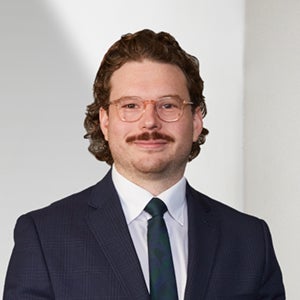
/MBL_JamesMarsden-Smith_2022-05-31_300x300px.jpg)
Class actions
 Global search
Gary’s story shows how lung cancer itself can be difficult to detect, and how, even once diagnosed, its connection to work can be easily dismissed. It’s also a reminder that smoking doesn’t cancel out a worker’s rights and that acting quickly can make the difference between a family having the support they need after loss.
For most of his working life, Gary didn’t think twice about the dust. It was part of the job, something he carried home on his clothes and in his lungs after long days working with rubber.
His wife remembers it clearly.
“He used to come home covered in it. It would be up his nose and in his eyes.”
When Gary became unwell, neither he nor his family suspected his work might be connected. Like many people, he assumed that if something serious was wrong, the cause would be obvious. It wasn’t.
Throughout much of Gary’s working life, personal protective equipment wasn’t consistently enforced, and the long‑term respiratory risks of the work were never clearly explained.
When Gary first became unwell, he didn’t seem seriously ill. He was just tired. Blood tests pointed to a thyroid issue, and chest X‑rays and CT scans didn’t reveal anything alarming.
“We honestly thought it was just a pituitary problem. That’s what the hospital thought,” Gary’s wife said.
It wasn’t until an MRI was ordered that a tumour hidden deep within his lung was discovered, along with cancer that had already spread to his brain.
From diagnosis to death, less than a month passed.
As a dust disease lawyer, this is something I see too often. A diagnosis explains what is happening medically, but not always why. Doctors rightly focus on treatment, not identifying the role an occupational exposure has played. That gap can mean families don’t realise there may be support available to them.
I was contacted through a professional connection while Gary was already very unwell. When I met him in hospital, he was quiet and frail.
“James came to see Gary in hospital when he was really unwell,” his wife recalls.
“He was so caring… really supportive and very positive.”
There was very little time. If action hadn’t been taken when it was, Gary’s family would likely have received little or nothing. That’s why speed matters in occupational disease cases.
My focus shifted to evidence. I began piecing together Gary’s work history in detail and reviewing medical literature linking long‑term rubber dust exposure and cancer. The connection wasn’t obvious, and it certainly wasn’t straightforward, particularly given Gary’s smoking history.
We were not only seeking recognition that Gary’s work significantly increased the risk of him developing lung cancer but also fighting to make sure his family would have financial security after his death. With very little time, the work had to move quickly, and it did. Acting when we did ultimately made all the difference for Gary’s family.

One of the biggest misconceptions I encounter with my clients is the belief that smoking automatically rules out a claim.
Gary had a smoking history, and even one of his doctors initially attributed his illness to smoking alone. But under the law, work exposure does not need to be the sole cause of a condition. We only need to show that the nature of a person's employment significantly increased their risk of developing the condition compared with someone who was not doing that type of work.
Smoking and hazardous exposures often work together, increasing someone’s risk of developing cancer when someone is exposed to both, and as his wife puts it:
“Just because you’re a smoker, that doesn’t negate the responsibility of your employer to provide a safe workspace.”
Most people are aware of asbestos. Far fewer understand that rubber dust can also pose serious health risks.
Establishing that link required a detailed occupational history and specialist expertise, something no family could reasonably be expected to uncover on their own.
“I would never have thought to connect all those things together,” his wife said.
“If that chain hadn’t happened, we never would have known.”
Despite Gary passing away shortly after, the steps taken in that brief window meant his claim survived.
His wife had previously stepped away from paid work to raise their children, relying on Gary’s income. In her 60s, returning to the workforce would have been extremely difficult.
“I don’t think anybody would give me a job now,” she said.
“Without this, I would’ve been on unemployment benefits and then the pension.”
Instead, the compensation has given her security and the ability to help her children build their futures.
“It’s made a huge difference compared to what would have happened if we’d done nothing.”
Gary’s case highlights why occupational disease is often missed, and why people shouldn’t assume they don’t have a claim.
If a serious illness doesn’t fully make sense, it’s worth asking the question: could there be more to the story?
As Gary’s wife says:
“Workers aren’t tools. They’re not machines. They’re people, and they need to be looked after.”
If you or someone you love has been diagnosed with a serious illness and you’re unsure whether work exposure may have played a role, our occupational disease lawyers can help investigate your options.
And if you’ve been exposed to hazardous dusts at work, including substances people may not immediately recognise as dangerous, you may still be able to register your exposure with the National Dust Disease Register, even if you haven’t been diagnosed. Contact us today and find out how we can help you.

Contact us today

Document exposure now in case you develop an asbestos related disease later. This can help you with a future compensation claim.
Our dedicated workplace disease lawyers have significant experience in helping clients get compensation for occupational diseases caused by asbestos, silica, dust exposure and more. Contact us today and find out how we can help you.
Thanks very much for your message.
Our team has received your enquiry and will get back to you as soon as we can.
Need to speak with us sooner? Please call us on 1800 111 222. We take calls from 8:30am - 7:00pm Monday to Friday.

Read more about diseases caused or made worse by workplace exposure.
/gardeners-thumb.png) Workplace disease exposure
Workplace disease exposure
/prostate-cancer-awareness-month-thumbnail.jpg) Workplace disease exposure
Workplace disease exposure
/occ-lung-cancer.jpg) Workplace disease exposure
Workplace disease exposure
/jeffs story thumb.jpg) Workplace disease exposure
Workplace disease exposure
We are here to help. Give us a call, request a call back or use our free claim check tool to get in touch with our friendly legal team. With local knowledge and a national network of experts, we have the experience you can count on.
We have lawyers who specialise in a range of legal claims who travel to Australian Capital Territory. If you need a lawyer in Canberra or elsewhere in Australian Capital Territory, please call us on 1800 675 346.
We have lawyers who specialise in a range of legal claims who travel to Tasmania. If you need a lawyer in Hobart, Launceston or elsewhere in Tasmania, please call us on 1800 675 346.