Global search
While pleural plaques themselves are not usually compensable, they are an important marker of asbestos exposure. If you’ve been diagnosed with pleural plaques, it’s important to tell your doctor about your asbestos exposure, undertake periodic health reviews, and seek advice if you are later diagnosed with another asbestos-related condition.
This guide explains what pleural plaques are, how they differ from other asbestos-related diseases, and when compensation may be available for asbestos-related illnesses.
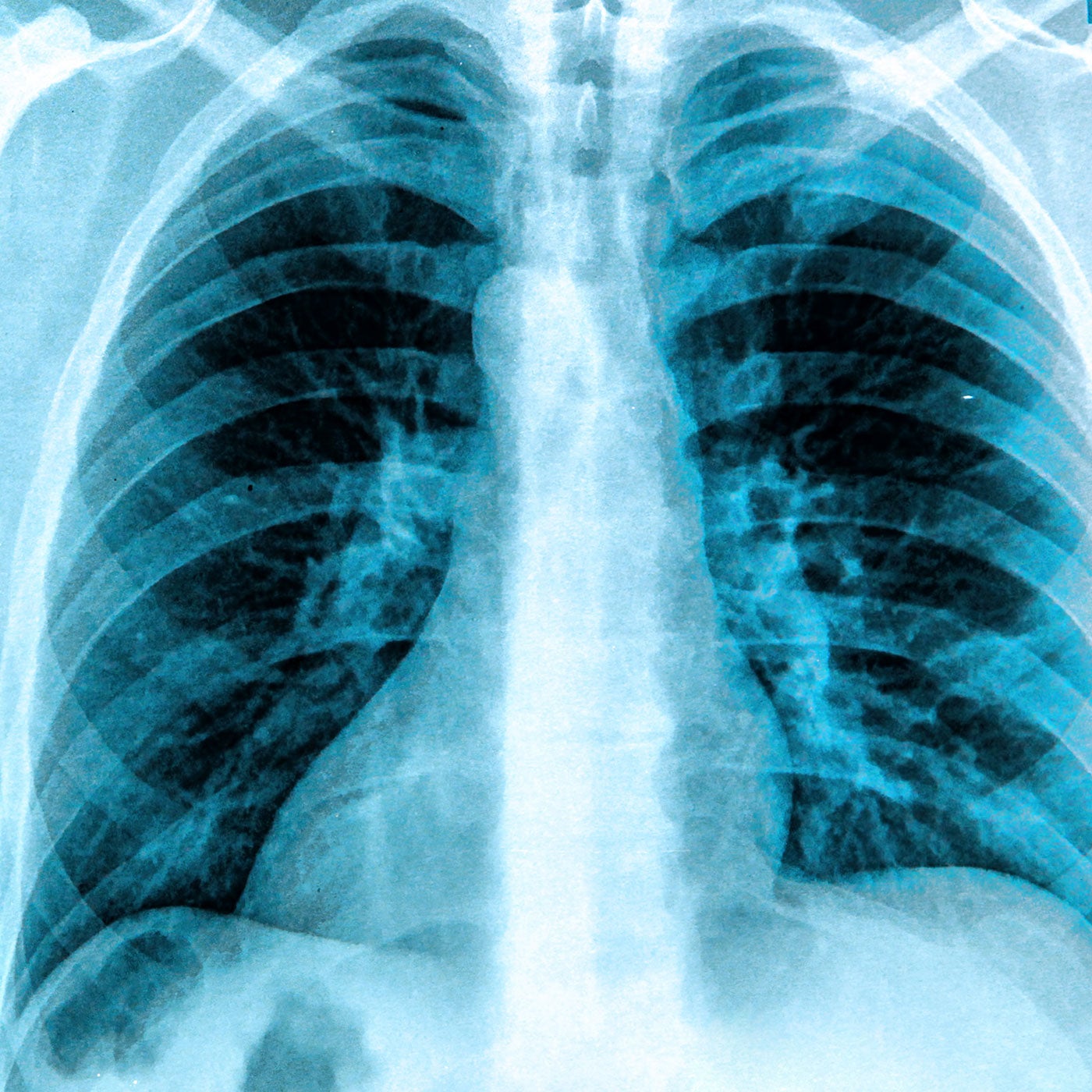
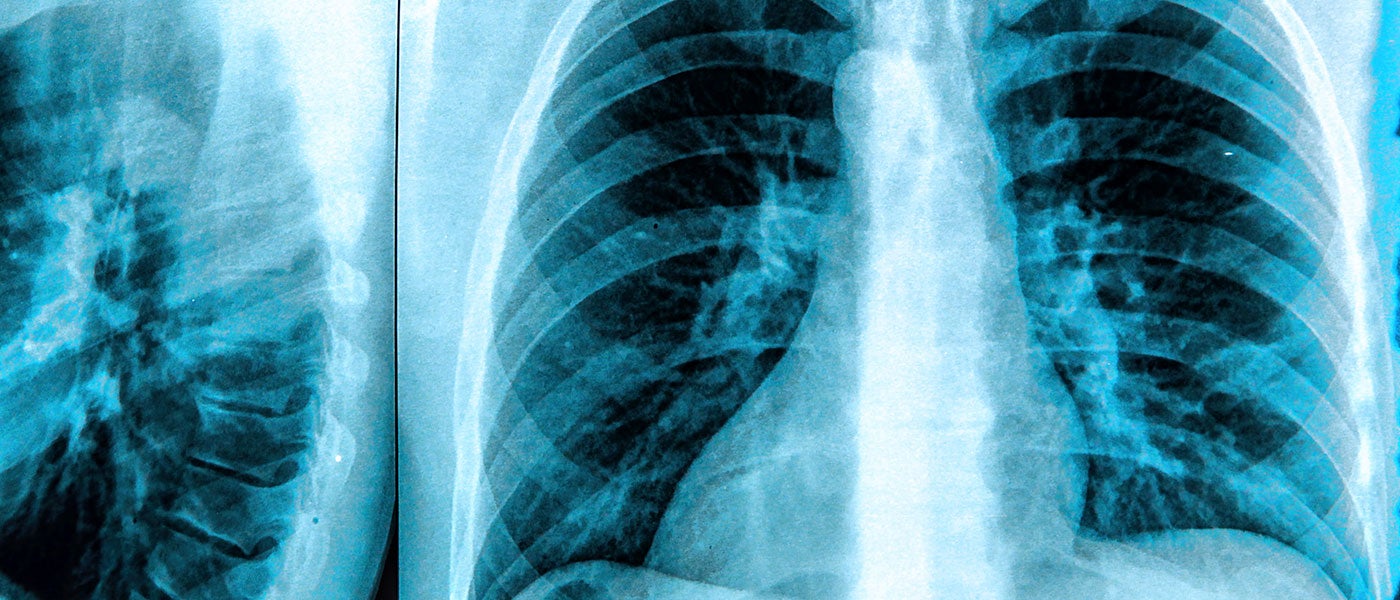
Pleural plaques are areas of thickened tissue on the lining of the lungs (the pleura), caused by inhaling asbestos fibres. They’re non-cancerous and permanent and are usually found on chest scans.
Their presence confirms asbestos exposure, even if that exposure occurred decades ago.
Asbestos exposure is the only known cause of pleural plaques. In Australia, this often happened through work in:
Some people were exposed indirectly, for example, by washing a family member’s work clothes. Exposure may also have occurred in homes, schools, or public buildings where asbestos was present in walls, ceilings, or pipes.
Most people with pleural plaques don’t have symptoms. They’re often found during scans for unrelated issues. Some people report mild chest tightness, but this is usually linked to other conditions.
Diagnosis is typically confirmed with:
Pleural plaques are different from more serious asbestos-related diseases:
Pleural plaques don’t mean you’ll develop a more serious illness, but they do indicate an increased risk because they confirm that you have been exposed to asbestos.
 Have a question? Ask Morry.
In most cases, no.
Pleural plaques are generally regarded as markers of past asbestos exposure rather than a disease that causes symptoms or impairment. Because pleural plaques do not usually affect lung function or cause pain, they are not usually compensable.
In rare cases, compensation may be available where an asbestos-related condition is causing symptoms, and there is medical evidence linking those symptoms to the condition.
If you have been diagnosed with pleural plaques, it is important to continue regular medical monitoring and seek advice if you are later diagnosed with another asbestos-related condition.
A diagnosis of pleural plaques may indicate that a person has previously been exposed to asbestos. For this reason, doctors often recommend ongoing monitoring to detect any future asbestos-related disease.
If a person is later diagnosed with a compensable asbestos-related condition, legal rights may arise at that time.
If you have been diagnosed with pleural plaques:
Pleural plaques are an important marker of past asbestos exposure. Ongoing monitoring can help ensure that any future asbestos-related disease is identified as early as possible.
We’ve helped many people with asbestos-related lung conditions understand their rights and take action with confidence.
Noel’s story is one example. After spending years working in roles that unknowingly exposed him to asbestos, Noel was later diagnosed with pleural plaques and, eventually, asbestosis.
Like many, he wasn’t sure if he had a claim or where to start. With our support, he was able to navigate the process and secure compensation to help manage his condition and future needs. You can read more about Noel’s story here.
If you’ve been diagnosed with pleural plaques, you don’t have to navigate this alone.
At Maurice Blackburn, we focus on listening, understanding your experience, and guiding you with clarity and respect. We offer No Win, No Fee support, so you can take the first step without added stress.
Contact us for a confidential, no-obligation consultation.
Or call 1800 111 222 if you’d like to speak with someone now.
They usually remain stable, but they do indicate increased risk of other conditions. Regular check-ups are important.
Mostly no. Many people don’t experience pain at all. Some may feel mild discomfort or irritation, but this is often linked to other conditions rather than the issue itself.
Usually not. Pleural plaques are generally considered markers of asbestos exposure rather than a condition that causes compensable impairment. Compensation is more commonly available when a person develops another asbestos-related condition that causes symptoms or disability.
We are Australia’s largest practicing asbestos, silica and occupational exposures legal team, with over 150 years of combined experience. Our multidisciplinary team expands across legal, nursing and dedicated support staff who are caring, compassionate, and committed to putting your needs and best interest first to achieve the best possible outcome.
Contact us today for a confidential, no-obligation consultation.
Need to speak to us sooner? Call us on 1800 111 222

Obligation-free consult
No Win, No Fee
Specialist Lung Nurse Support
 Contact our expert dust disease team
Our team of dedicated dust disease lawyers is committed to helping you with your claim.

Principal Lawyer, Dust diseases
Brisbane, QLD
Sydney, NSW
Mount Isa, QLD
Ipswich, QLD
North Lakes, QLD

Principal Lawyer, Dust diseases
Melbourne, VIC
Traralgon, VIC
Ringwood, VIC
Mildura, VIC


Associate, Dust diseases, Work injury
Melbourne, VIC
Traralgon, VIC
Dandenong, VIC
Frankston, VIC
Read more about asbestos diseases
 Asbestos & Silica dust diseases
 Asbestos & Silica dust diseases
 Asbestos & Silica dust diseases
 Asbestos & Silica dust diseases
We have lawyers who specialise in a range of legal claims who travel to Australian Capital Territory. If you need a lawyer in Canberra or elsewhere in Australian Capital Territory, please call us on 1800 675 346.
We have lawyers who specialise in a range of legal claims who travel to Tasmania. If you need a lawyer in Hobart, Launceston or elsewhere in Tasmania, please call us on 1800 675 346.