Global search
If you’ve been diagnosed with an asbestos-related disease because of exposure at work or elsewhere, you may be able to claim compensation. The right legal pathway depends on your circumstances, and our team can help you determine which applies to you. There are two main pathways to compensation:
If someone else’s negligence contributed to your exposure or diagnosis, you may also be able to bring a common law claim. In South Australia, these claims are heard by the South Australian Employment Tribunal (SAET) and are commonly brought against manufacturers of asbestos products and employers.
If your exposure happened at work, you may be entitled to workers’ compensation. The scheme that applies will depend on where you worked and who employed you. This can include claims under South Australian workers’ compensation laws or Commonwealth compensation schemes.
Understanding your legal options early can make a significant difference to the outcome of your claim.
Time limits are one of the most important things to understand early. For a common law negligence claim, you generally have three years from the date you become aware of a diagnosis of a compensable asbestos-related condition to commence a claim. A workers’ compensation claim should be lodged within six months from diagnosis.
If you’re not sure whether time has run out in your situation, it’s worth speaking with our team. In some circumstances, an extension may be available.
It’s important to seek legal advice as soon as possible. Claims generally need to be started during a person’s lifetime, although in some circumstances a claim may continue through their estate.
 Have a question? Ask Morry.
We know that dealing with an asbestos-related diagnosis is difficult enough without also having to navigate a legal process. Our Adelaide dust disease team handles the details so you can focus on your health, and we will explain what’s happening at every step. Here’s what you can expect.
Contact our Adelaide dust disease team for a free, no-obligation conversation about your situation. We’ll listen to what’s happened and give you an honest view of where you stand.
We’ll arrange an appointment to go through the details of your diagnosis and exposure history, so we can start building a clear picture of your claim.
Once we understand your situation, we’ll lodge your claim through the appropriate pathway, whether that’s a workers’ compensation claim or a common law negligence claim.
We gather the medical, employment and other evidence needed to support your claim, working with independent medical experts where necessary to establish the link between your exposure and your diagnosis.
We negotiate on your behalf to reach a fair outcome. If a settlement can’t be reached, we can represent you throughout court or tribunal proceedings, including in the South Australian Employment Tribunal.
If you’ve been diagnosed with an asbestos-related disease because of exposure in South Australia, we can help you understand whether you have a claim. Below are the conditions we most commonly see claims made for.
Mesothelioma is an aggressive cancer affecting the lining of the lungs or abdomen, caused almost exclusively by asbestos exposure. Mesothelioma often takes 20 to 50 years to develop after exposure. Because of how serious this diagnosis is, we move quickly on mesothelioma claims to get you the support you need.
Asbestosis is a chronic lung disease caused by breathing in asbestos fibres over time, causing scarring that makes it harder to breathe. It’s most common after prolonged workplace exposure, and if you’ve been diagnosed, our team can help you understand your compensation options.
Asbestos exposure increases the risk of lung cancer, particularly for people who also smoked. A clear history of exposure is an important part of establishing a claim, and we can help you build that picture.
Pleural disease covers non-cancerous conditions affecting the lining of the lungs, including pleural plaques, thickening and effusions. A diagnosis is a sign of asbestos exposure, and it’s worth having your case reviewed even if your symptoms are mild.
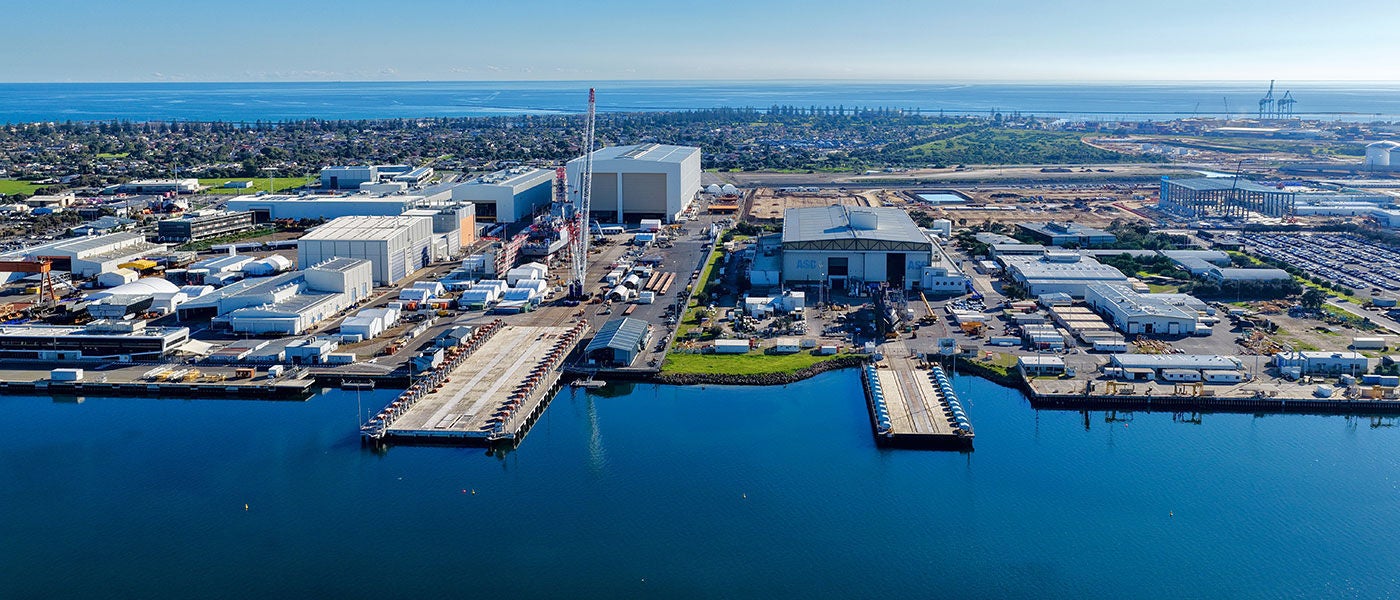
Asbestos was used widely across South Australian workplaces and homes for most of the 20th century. Sites of asbestos exposure in SA include:
Because asbestos-related diseases can take decades to develop, many people aren’t sure when or where they were exposed. You can register your asbestos exposure history with us, or speak with our Adelaide dust disease team about your situation.
We maintain an extensive database of asbestos-containing products, buildings and workplaces, helping us identify potential sources of exposure and investigate claims efficiently.
We understand that an asbestos-related diagnosis can bring uncertainty and difficult decisions. Our local dust disease team can help you understand your rights, answer your questions and guide you through the claims process.
We act on a No Win, No Fee basis, so you can focus on your health while we take care of the legal process.
To speak with our team, call (08) 7109 2700 or visit our Adelaide office at Level 30, 91 King William Street. We’re here to help.
You may be able to make a claim if you’ve been diagnosed with an asbestos-related disease and your exposure occurred in South Australia, whether at work, during home renovations, or in another setting. In some circumstances, family members of a person who has passed away from an asbestos-related disease may also be entitled to make a claim.
Time limits apply to asbestos claims, so it’s important to seek legal advice as soon as possible. Generally, you have three years from the date of diagnosis to commence a common law claim, and six months from diagnosis to lodge a workers’ compensation claim. In some circumstances, extensions may be available, so it’s worth speaking with our team even if you think time may have run out.
The compensation available will depend on your individual circumstances, including the impact the condition has had on your health, your ability to work, and the support you may need in the future. Depending on your situation, compensation may include amounts for pain and suffering, lost income, medical expenses, and the loss or impairment of your ability to provide care and support to family members.
In some circumstances, yes. If legal proceedings were started before your family member passed away, certain damages may be able to pass to their estate. Workers’ compensation dependency benefits may also be available to eligible family members. We can help you understand what options may be available in your circumstances.
Yes. While many asbestos claims arise from workplace exposure, exposure during home renovations or through asbestos-containing materials in a property you lived in may also give rise to a claim. If you’re unsure whether your exposure could be linked to a claim, our team can help you understand your options.
If you or someone you know has been affected by an asbestos-related disease, support is available. The Asbestos Diseases Society of South Australia (ADSSA) provides information and support for South Australians living with asbestos-related conditions.
Our team can also help connect you with independent medical and support services.
We are Australia’s largest practicing asbestos, silica and occupational exposures legal team, with over 150 years of combined experience. Our multidisciplinary team expands across legal, nursing and dedicated support staff who are caring, compassionate, and committed to putting your needs and best interest first to achieve the best possible outcome.
Contact us today for a confidential, no-obligation consultation.
Need to speak to us sooner? Call us on 1800 111 222

Obligation-free consult
No Win, No Fee
Specialist Lung Nurse Support
Read more about mesothelioma.
 Asbestos & Silica dust diseases
 Asbestos & Silica dust diseases
 Asbestos & Silica dust diseases
 Asbestos & Silica dust diseases
We have lawyers who specialise in a range of legal claims who travel to Australian Capital Territory. If you need a lawyer in Canberra or elsewhere in Australian Capital Territory, please call us on 1800 675 346.
We have lawyers who specialise in a range of legal claims who travel to Tasmania. If you need a lawyer in Hobart, Launceston or elsewhere in Tasmania, please call us on 1800 675 346.