Global search
A lung cancer misdiagnosis occurs when a doctor or healthcare provider:
When lung cancer is not identified in a timely way, treatment options may become more limited, and the impact of the disease can be more significant.
Not every delayed or incorrect diagnosis will amount to medical negligence. However, where the standard of care falls below what would reasonably be expected and causes harm, a compensation claim may be available.
Lung cancer can be difficult to diagnose, particularly in its early stages.
Many of the symptoms associated with lung cancer, including a persistent cough, chest infections, shortness of breath and fatigue, can also be associated with other conditions.
Because of this, diagnostic delays can occur when symptoms are attributed to a less serious illness or when further investigations are not undertaken promptly.
Early diagnosis can play an important role in treatment planning and outcomes.
When symptoms are not properly investigated or test results are overlooked, valuable time may be lost before treatment begins. For some people, a delayed diagnosis can mean:
If an earlier diagnosis may have changed the course of treatment or outcome, you may have grounds to investigate a medical negligence claim.
A lung cancer misdiagnosis can occur for a range of reasons.
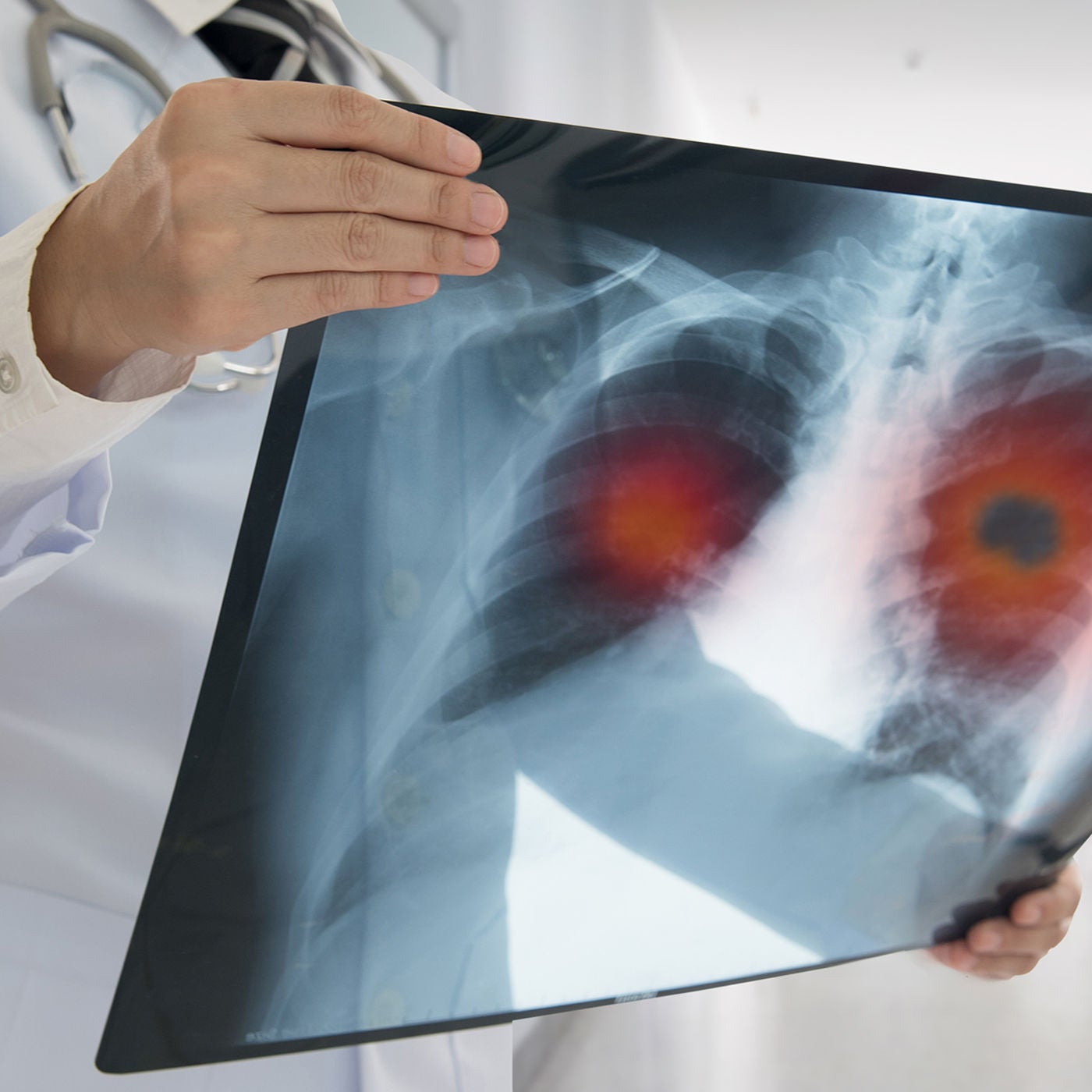
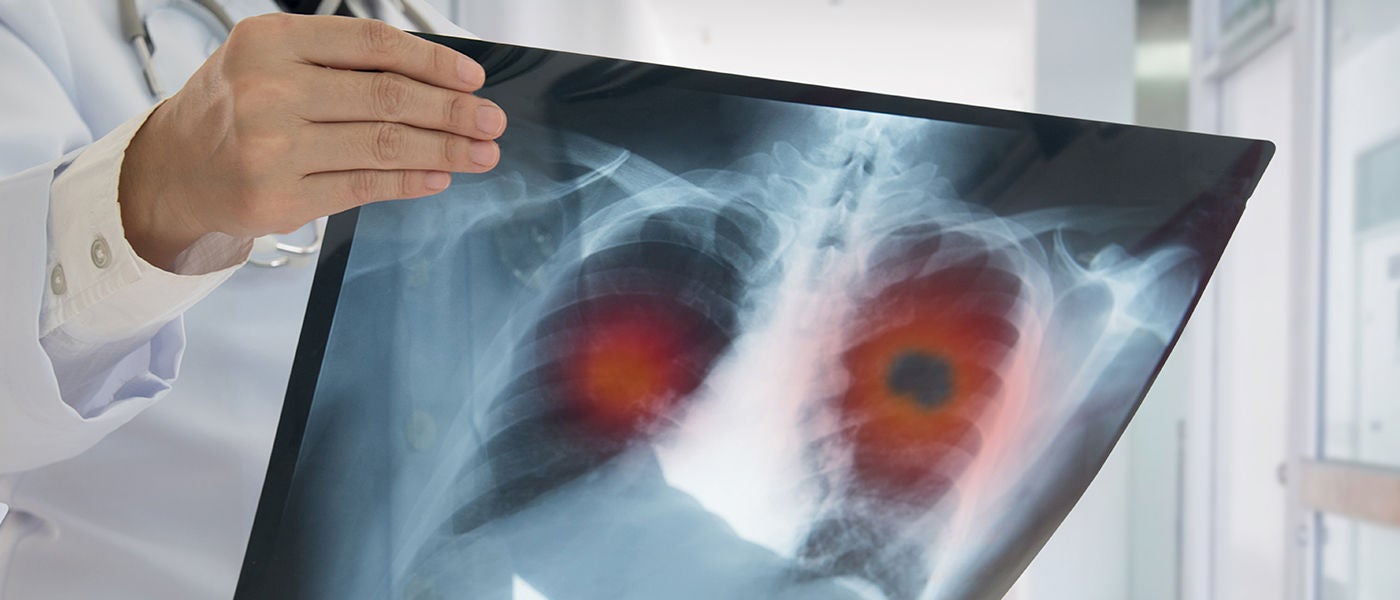
Chest X-rays, CT scans, and other diagnostic tests are important tools in identifying lung cancer. When abnormalities are missed or test results are incorrectly interpreted, diagnosis may be delayed.
Symptoms such as a persistent cough, unexplained weight loss, chest pain, or shortness of breath may require further investigation. Where symptoms continue without appropriate follow-up, opportunities for earlier diagnosis may be missed.
In some cases, symptoms may be attributed to a less serious condition, such as asthma, bronchitis or a respiratory infection, rather than prompting further testing.
Delayed referrals, lost results, communication breakdowns between healthcare providers, and other system failures can also contribute to delayed diagnosis.
You may wish to seek further advice if:
If you're concerned about your care, obtaining your medical records and seeking a second medical opinion may help provide clarity about what occurred.
Physical and emotional impact
A delayed diagnosis can affect not only your health but also your emotional wellbeing. Many people describe feeling frustrated, overwhelmed, or distressed when they learn that their condition may have been identified earlier. The effects can extend beyond treatment itself and impact family life, work, and future plans.
Financial impact
A lung cancer diagnosis can also create financial pressure. You may face:
These impacts are often felt by both the individual and their family.
If a healthcare provider failed to provide an appropriate standard of care and that failure caused harm, you may be entitled to make a medical negligence claim. To establish a claim, it is generally necessary to show:
A doctor, specialist, hospital, or other healthcare provider failed to provide care that met accepted professional standards.
The delayed or incorrect diagnosis caused additional harm, a worsened condition, or lost treatment opportunities. Every case is different and requires careful assessment of the medical evidence.
Strict time limits apply to medical negligence claims and can vary depending on your circumstances and where you live. Because these time limits may affect your ability to pursue compensation, it's important to seek legal advice as soon as possible if you believe a delayed diagnosis has caused harm.
The compensation available will depend on the circumstances of your case and the impact the delayed diagnosis has had on your life. This may include compensation for:
Compensation may also account for the physical and emotional consequences of the negligence and the impact on your quality of life. Our lawyers can explain what may be available based on your individual circumstances.
 Any questions? Check out our FAQs.
If you believe your lung cancer diagnosis was delayed or missed, there are practical steps you can take.
Another specialist may be able to assess whether the diagnosis should have been made earlier.
Your records can provide important information about investigations, referrals, test results, and treatment decisions.
Documenting symptoms, appointments, expenses, and the impact on your daily life may assist in understanding your circumstances.
Documenting symptoms, appointments, expenses, and the impact on your daily life may assist in understanding your circumstances.
A delayed or incorrect lung cancer diagnosis can leave you with difficult questions about your health, your future, and whether more could have been done.
For more than 30 years, Maurice Blackburn has supported Australians through complex medical negligence claims. Our experienced lawyers understand the challenges people face following a delayed diagnosis and can help you understand your rights and options.
We'll take the time to listen to your story, investigate what happened and provide clear, practical advice about the next steps.
We offer No Win, No Fee arrangements for many of our legal services, making it easier for people to access legal support when they need it most.
Time limits apply to medical negligence claims, but the timeframe can vary depending on the circumstances. Seeking legal advice as early as possible can help protect your rights.
In some circumstances, a family member, legal representative or estate may be able to pursue a claim on behalf of someone who has passed away or is unable to do so themselves.
You may still have legal rights. Every situation is different, and obtaining legal advice can help you understand what options may be available.

Take the first step towards justice and support. Our team of dedicated medical negligence lawyers are here to listen to your story and provide expert legal assistance and support.
Contact us today for a confidential, no-obligation consultation.
Need to speak to us sooner? Call us on 1800 111 222

Australia’s #1 plaintiff law firm
No Win, No Fee
Home or hospital consults
 Contact our expert medical negligence team
We have experts all over Australia ready to help you with your medical negligence claim.


Senior Associate, State Leader Medical Negligence, Medical injury, Childhood abuse
Adelaide, SA

Senior Associate, State Leader Medical Negligence, Medical injury
Perth, WA

We have lawyers who specialise in a range of legal claims who travel to Australian Capital Territory. If you need a lawyer in Canberra or elsewhere in Australian Capital Territory, please call us on 1800 675 346.
We have lawyers who specialise in a range of legal claims who travel to Tasmania. If you need a lawyer in Hobart, Launceston or elsewhere in Tasmania, please call us on 1800 675 346.