
Class actions
 Global search
WorkCover depends on your employment status. Employees are generally covered, and some contractors are covered if they meet the legal definition of a "worker".
Many contractors are not. If you're a contractor injured because of your work, you may still be able to claim compensation, for example through a negligence claim (often called a public liability claim) against the person or business responsible.
If you're a contractor who has been injured at work, you may be unsure whether WorkCover applies to you. While some contractors may be entitled to WorkCover benefits because they're legally considered workers, many are not covered.
If you're a contractor who is injured because of your work, that doesn't necessarily mean you're left without options. Depending on the circumstances, you may be able to pursue compensation through a negligence claim against the person or business responsible.

While both employees and contractors provide work for a business, the nature of the working relationship, including legal rights, can differ significantly.
Employee | Contractor | |
Relationship | Directly employed by a person or business | Runs their own business and provides services under a commercial agreement |
Control | Works under the employer's control and direction | Generally controls how the work is done |
WorkCover | Generally covered | Covered only in some cases, if they meet the legal definition of a "worker" |
Whether you're covered by WorkCover or public liability insurance depends on your working arrangement and the circumstances of the incident.
WorkCover is designed to provide compensation for work-related injuries and illnesses. It generally applies to employees, but in some cases, contractors may also be covered by a work injury claim if they meet the legal definition of a ‘worker’. If you're unsure about your status, the most reliable way to find out is to lodge a WorkCover claim.
WorkSafe will assess your situation and determine your eligibility. If your Workcover claim is accepted, you may receive payments for medical expenses, loss of wages, and pain and suffering.
If your claim is rejected, then you may be entitled to pursue a negligence claim in situations where:
Regardless of whether you're classified as an employee or a contractor, if you're injured at work, you should:

If you're ineligible for WorkCover but have been injured due to someone else’s negligence while performing your work, you should speak to a lawyer about a public liability claim. This type of claim is typically made against the person or business responsible for the environment or conditions that caused your injury.
Public liability insurance is designed to cover injuries to third parties, and it may apply if, for example, you injured yourself on an unsafe surface at a worksite or were injured by faulty equipment provided by the business.
To pursue a public liability claim, you will generally need to demonstrate that the injury was caused by the fault of another party.
You should seek legal advice, as public liability claims can be complex and are usually handled through civil legal processes rather than through WorkSafe.
If you or someone you love has been injured as a contractor due to someone else's negligence, you should speak to a lawyer.
Maurice Blackburn's team of highly experienced public liability lawyers can talk through your situation and help you understand your entitlements.
Contact us today to find out how we can help you.
Sometimes. WorkCover generally covers employees. A contractor may be covered if they meet the legal definition of a "worker", which depends on the working arrangement.
The simplest way is to lodge a WorkCover claim. WorkSafe will assess your circumstances and determine whether you're entitled to benefits.
If your injury was caused by someone else's negligence, you may be able to pursue a negligence claim, often called a public liability claim, against the person or business responsible. It's a good idea to seek legal advice about your options.
Examples may include an unsafe workplace, faulty equipment, inadequate safety procedures, or a hazard on someone else's property. To make a claim, you'll generally need to show that another party's negligence caused your injury.
Time limits can apply to both WorkCover and Public Liability claims, and the timeframe depends on the circumstances of your case. Generally, claims must be made within three years of the date of the incident.
In many situations, you should seek legal advice as soon as possible after an injury to avoid missing important deadlines.

Use our free claim check tool now
If you've been hurt in a public place, including a sports field, rental property, path or in a store, our experienced team of public liability lawyers can help.
Thanks very much for your message.
Our team has received your enquiry and will get back to you as soon as we can.
Need to speak with us sooner? Please call us on 1800 111 222. We take calls from 8:30am - 7:00pm Monday to Friday.

Read more about public liability law
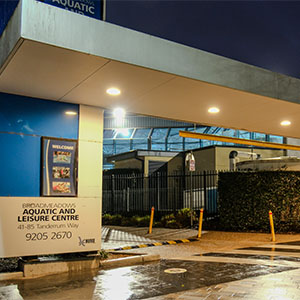 Public place injury
 Public place injury
 Public place injury
 Public place injury
We are here to help. Give us a call, request a call back or use our free claim check tool to get in touch with our friendly legal team. With local knowledge and a national network of experts, we have the experience you can count on.
We have lawyers who specialise in a range of legal claims who travel to Australian Capital Territory. If you need a lawyer in Canberra or elsewhere in Australian Capital Territory, please call us on 1800 675 346.
We have lawyers who specialise in a range of legal claims who travel to Tasmania. If you need a lawyer in Hobart, Launceston or elsewhere in Tasmania, please call us on 1800 675 346.